
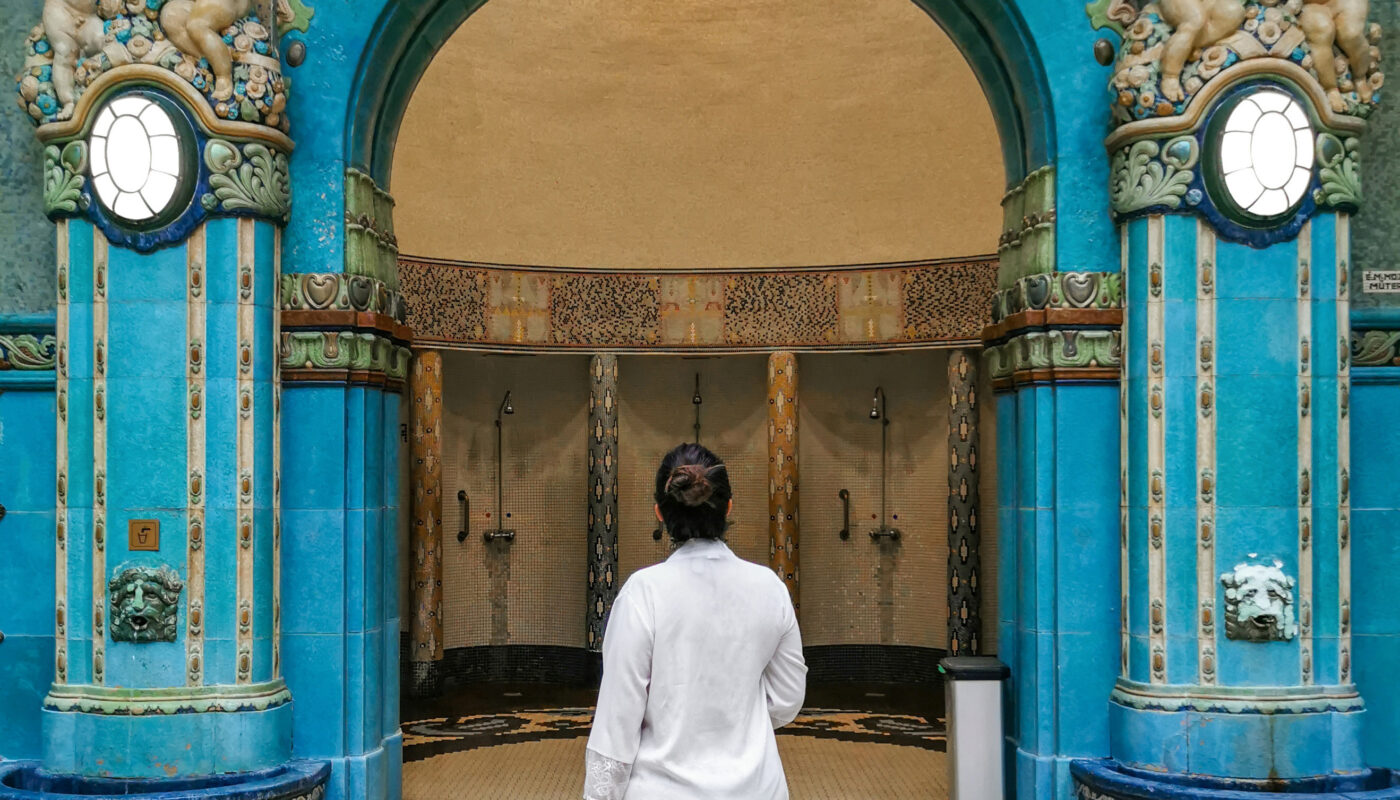
A visit to a Turkish hammam is more than just a bath—it is a centuries-old tradition that blends relaxation, purification, and cultural heritage. Deeply rooted in Ottoman history, the hammam experience offers travelers a unique way to connect with Turkish culture while enjoying a deeply cleansing and rejuvenating ritual.
Whether you are visiting Türkiye for the first time or returning to explore its traditions more deeply, understanding what to expect from a Turkish hammam will help you feel comfortable and fully enjoy this unforgettable experience.
The History of the Turkish Hammam
The Turkish hammam dates back to Roman and Byzantine bathing traditions, later refined and popularized during the Ottoman Empire. Hammams were not only places for cleansing but also important social centers where people gathered, relaxed, and connected.
Architecturally, traditional hammams are designed with domed ceilings, marble interiors, and intricate details that create a calm, timeless atmosphere. Many historic hammams still operate today, allowing visitors to experience an authentic ritual that has changed little over the centuries.
What Happens When You Enter a Hammam?
Upon arrival, you are typically greeted at the reception and guided through the process. Most hammams are separated by gender or offer different time slots for men and women. You will be given a pestemal (a traditional cotton wrap), slippers, and a secure place to store your belongings.
After changing, you enter the warm section of the hammam, where your body begins to adjust to the heat. This gradual warming is essential, as it prepares your skin and muscles for the cleansing ritual.
The Warm Room: Relaxation and Preparation
The warm room, often featuring a large heated marble platform called the göbek taşı, is the heart of the hammam. You are encouraged to lie down, sit, or simply relax as the heat opens your pores and softens your skin.
This phase allows your body to release tension and stress. The warm, humid air promotes circulation and helps you feel calm and grounded. Many visitors find this part of the experience deeply meditative, especially when combined with the gentle sounds of running water.
The Scrubbing Ritual: Deep Cleansing
Once your body is fully relaxed, an attendant—called a tellak for men or natır for women—begins the exfoliation process. Using a special coarse glove known as a kese, the attendant gently scrubs your skin to remove dead cells and impurities.
This step can be surprising for first-time visitors, as you may see visible layers of dead skin being removed. While the scrubbing is thorough, it should not be painful. The result is incredibly smooth, refreshed skin and a sense of lightness throughout your body.
Foam Massage: Pure Indulgence
After the scrubbing, the experience continues with a luxurious foam massage. Warm water and natural soap are used to create thick, airy foam that covers your entire body. The attendant gently massages your muscles, helping to relieve tension and improve circulation.
This is often the most enjoyable part of the hammam experience. The sensation of warm foam combined with rhythmic movements creates deep relaxation and leaves you feeling completely renewed.
Rinsing and Cooling Down
Once the massage is complete, you are rinsed with warm water to remove any remaining soap. Afterward, you may be guided to a cooler room where you can rest, rehydrate, and allow your body temperature to normalize.
Many hammams offer complimentary tea or water during this phase. Sitting quietly and resting is an important part of the ritual, allowing you to fully absorb the benefits of the experience.
What Should You Wear in a Turkish Hammam?
Traditional hammams typically require minimal clothing. Men usually wear the pestemal around the waist, while women wrap it around the body or wear a bikini bottom, depending on the establishment.
Luxury or tourist-oriented hammams may offer disposable underwear or more privacy-focused options. It’s always acceptable to ask staff about dress expectations before entering.
Health Benefits of a Turkish Hammam
The Turkish hammam offers both physical and mental benefits. The heat helps detoxify the body through sweating, while the scrubbing improves skin health and circulation. Muscle tension is relieved, and joint flexibility can improve due to the warmth.
Mentally, the hammam experience reduces stress and promotes a sense of well-being. Many visitors report improved sleep, increased energy, and a lasting feeling of relaxation after their visit.
Choosing the Right Hammam
Türkiye offers a wide range of hammams, from historic public baths to modern spa-style establishments. Historic hammams provide an authentic cultural experience, while modern hammams often offer private rooms and additional spa services.
When choosing a hammam, consider factors such as cleanliness, reviews, location, and whether you prefer a traditional or more private setting. Both options provide a memorable experience—it simply depends on your comfort level.
Tips for First-Time Visitors
Arrive with an open mind and allow yourself to fully embrace the experience. Drink plenty of water before and after your visit to stay hydrated. Inform staff of any health concerns, such as high blood pressure or skin sensitivity.
It’s also helpful to avoid heavy meals before your hammam session and to plan some rest afterward. The experience can be surprisingly energizing and deeply relaxing at the same time.
Final Thoughts
The Turkish hammam is a timeless ritual that reflects Türkiye’s rich cultural heritage and emphasis on wellness. More than just a bath, it is a journey of relaxation, cleansing, and renewal.
For travelers seeking an authentic cultural experience that engages both body and mind, a visit to a Turkish hammam is truly unforgettable. It offers not only physical rejuvenation but also a deeper connection to the traditions and rhythms of Turkish life.
